Tankless Water Heater Installation: Step-by-Step Process and Tips
June 15, 2026
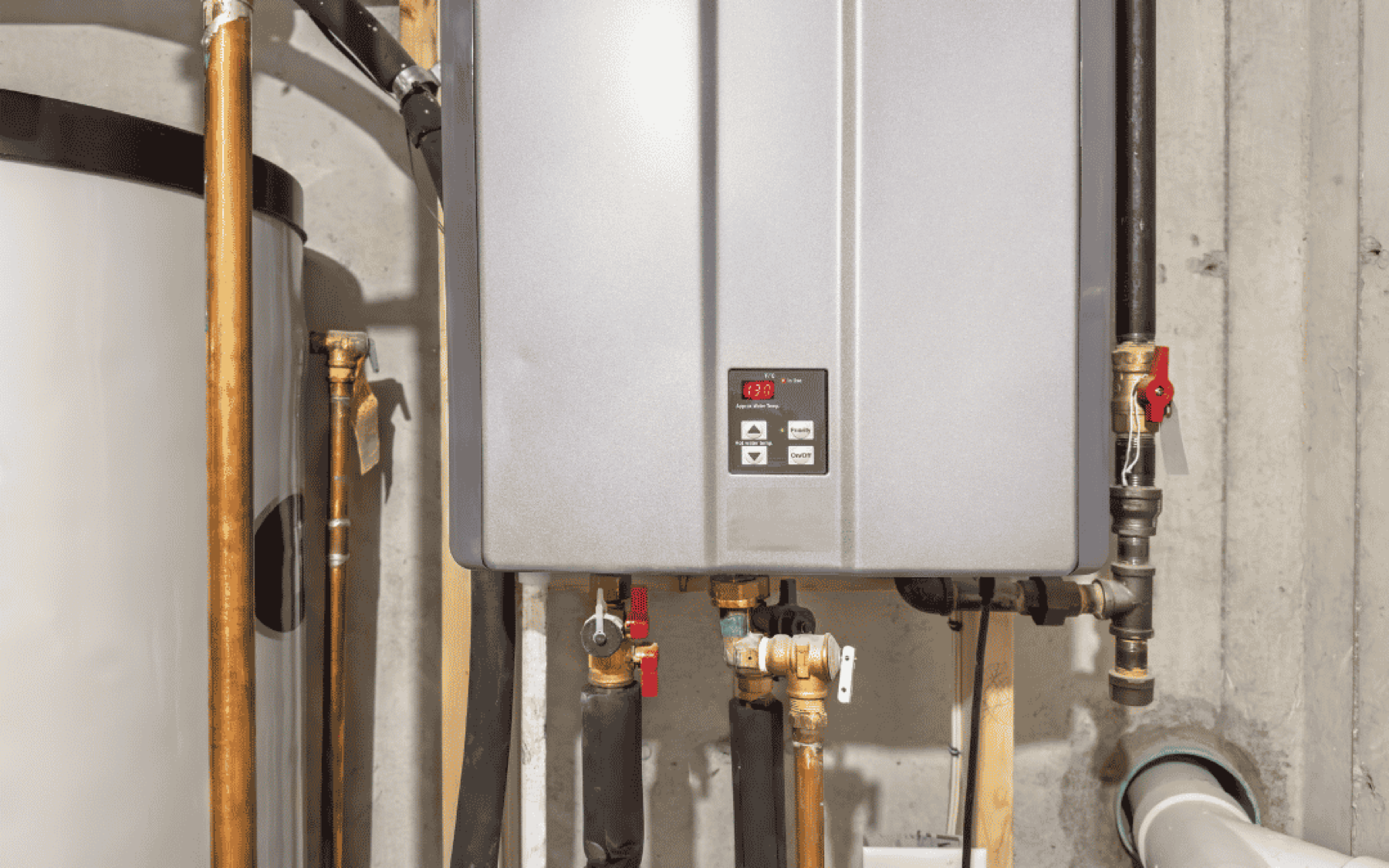
Hot water plays a major role in your daily routine. From showers and laundry to washing dishes, your water heater works hard every day. When an older unit starts struggling to keep up, many homeowners begin looking into tankless water heater installation as a more efficient option.
Tankless systems have become popular because they provide hot water on demand without storing it in a large tank. They are energy efficient, compact, and designed to last for years when installed properly.
Still, installing a tankless system involves more than simply replacing one appliance with another. The process includes plumbing connections, electrical or gas work, ventilation, and system sizing. Understanding each step can help homeowners know what to expect before installing a new water heater.
This guide explains how tankless systems work, walks through the tankless water heater installation process, and shares helpful tips to improve performance and avoid common mistakes.
How Does a Tankless Water Heater Work?
Traditional water heaters store heated water in a tank until it is needed. A tankless system works differently. Instead of storing hot water, it heats water only when you turn on a faucet or appliance.
As water flows through the unit, either a gas burner or electric heating element warms it instantly. This allows the system to provide a continuous supply of hot water without waiting for a storage tank to refill.
Many homeowners choose tankless systems because they:
- Use less energy
- Take up less space
- Deliver continuous hot water
- Have longer lifespans
- Reduce utility costs over time
A properly installed unit can improve comfort while helping your plumbing system operate more efficiently.
Signs It May Be Time for a New Water Heater
Most water heaters show warning signs before they fail completely. Paying attention to those signs can help prevent water damage and unexpected breakdowns.
You may want to consider residential water heater installation if you notice:
- Inconsistent hot water
- Water that takes too long to heat
- Rust-colored water
- Leaks around the tank
- Strange noises during operation
- Frequent repairs
- Rising energy bills
Older systems often become less efficient over time. Replacing them before a major failure occurs can save money and reduce stress.
If leaks have already caused plumbing issues, our Leak Detection & Repair services can help identify hidden damage before installation begins.
Benefits of Tankless Water Heater Installation
Endless Hot Water
One of the biggest advantages of a tankless system is the ability to produce hot water as needed. Larger families especially benefit from having a more consistent hot water supply during busy mornings or evenings.
Better Energy Efficiency
Traditional tanks continue heating water even when it is not being used. Tankless systems only heat water when needed, which helps reduce energy waste.
Longer System Lifespan
Tankless water heaters often last longer than traditional storage tanks when maintained properly.
More Storage Space
Because tankless systems mount on a wall, they free up floor space in utility rooms, garages, and closets.
Reduced Risk of Tank Leaks
Without a large storage tank, there is less risk of major water damage caused by tank failure.
Choosing the Right Tankless Water Heater
Before starting the tankless water heater installation process, choosing the right unit is important.
Gas vs. Electric Systems
Tankless water heaters are available in both gas and electric models.
Gas units are often preferred for larger households because they can handle higher water demand. Electric systems may work well for smaller homes with lower usage.
Household Water Demand
Your installer will calculate how much hot water your household uses during peak times. This helps determine the correct system size.
Factors include:
- Number of bathrooms
- Family size
- Appliances using hot water
- Simultaneous water usage
Improper sizing is one of the most common issues during residential water heater installation.
Tools and Preparation for Installation
Homeowners researching how to install a tankless water heater should understand that the process requires specialized tools and experience.
Common tools and materials include:
- Pipe cutters
- Wrenches
- Mounting brackets
- Venting materials
- Water shut-off valves
- Gas connectors
- Copper or PEX piping
- Electrical wiring components
The installation area must also meet local plumbing and safety codes.
Because the process involves gas lines, electrical systems, and plumbing modifications, professional installation is strongly recommended.
Step-by-Step Tankless Water Heater Installation Process
Step 1: Shut Off Water, Gas, and Power
Before work begins, the installer shuts off all utilities connected to the current water heater.
This includes:
- Water supply
- Electrical power
- Gas supply for gas-powered systems
Safety checks are completed before removing the existing unit.
Step 2: Remove the Existing Water Heater
The old water heater is drained and disconnected carefully.
During this stage, the installer removes:
- Water lines
- Gas or electrical connections
- Venting components
If damaged pipes or corrosion are found during removal, repairs may be necessary before the new unit can be installed.
Our Pipe Repair & Replacement services can help correct aging or damaged plumbing before installation continues.
Step 3: Prepare the Installation Area
Tankless systems require enough space for:
- Proper ventilation
- Utility access
- Safe clearances
- Future maintenance access
The installer prepares the wall surface and confirms that the location meets code requirements.
Step 4: Mount the Tankless Unit
The new unit is mounted securely to the wall using approved hardware.
Correct positioning is important for airflow, drainage, and long-term stability.
Step 5: Connect Water Lines
The hot and cold water lines are connected to the system.
Many installations also include:
- Isolation valves
- Sediment filters
- Pressure relief valves
These components make future maintenance easier and help protect the system.
Step 6: Install Gas or Electrical Connections
Gas-powered systems require properly sized gas lines to support the unit.
Electric systems need dedicated circuits with the correct voltage and amperage.
This part of the tankless water heater installation process should always be completed by qualified professionals to ensure safe operation.
Step 7: Install Venting
Gas tankless systems require specialized venting to safely remove exhaust gases.
Improper venting can affect performance and create safety concerns. Installers follow manufacturer requirements and local codes carefully during this stage.
Step 8: Add the Condensate Drain
Some high-efficiency systems produce condensation during operation. A condensate drain directs moisture safely away from the unit.
Proper drainage helps prevent corrosion and water damage.
Step 9: Test the System
After installation is complete, the plumber tests the system thoroughly.
This includes checking:
- Water pressure
- Gas pressure
- Temperature settings
- Ventilation performance
- Leak detection
The system is adjusted as needed to ensure reliable performance.
Common Mistakes to Avoid
Understanding common installation problems can help homeowners avoid future repairs.
Choosing the Wrong Size
A unit that is too small may struggle to supply enough hot water during peak use.
Improper Venting
Incorrect vent installation can reduce efficiency and create safety hazards.
Skipping Maintenance Components
Service valves and filters help protect the system and simplify maintenance.
Poor Water Quality Preparation
Hard water can damage tankless systems over time. In some homes, water treatment solutions may help extend system life.
Attempting DIY Installation
Homeowners searching for a water heater installation guide may consider handling the work themselves. However, tankless systems involve plumbing, electrical, gas, and ventilation requirements that should be handled professionally.
Tips for Better Performance and Efficiency
A few simple habits can help your system operate more efficiently.
Flush the System Annually
Mineral buildup can reduce efficiency and shorten equipment life. Annual flushing helps keep the system clean.
Lower Temperature Settings
Most homes do well with water temperatures around 120 degrees Fahrenheit.
Fix Leaks Quickly
Leaks force your plumbing system to work harder and waste water.
If you notice hidden leaks or pressure problems, our Residential Plumbing Services can help identify and correct the issue.
Insulate Hot Water Pipes
Pipe insulation helps reduce heat loss and improves hot water delivery speed.
How Long Does Installation Take?
Installation time depends on several factors, including:
- Existing plumbing setup
- Gas line upgrades
- Electrical modifications
- Venting requirements
- Accessibility
Some installations can be completed in a single day, while more complex projects may take longer.
Is a Tankless Water Heater Worth It?
For many homeowners, a tankless system offers long-term value.
Although the upfront installation cost may be higher than a traditional tank system, benefits often include:
- Lower energy costs
- Longer equipment lifespan
- Better hot water availability
- Less maintenance
- Improved efficiency
The most important factor is making sure the installation is completed correctly from the beginning.
Additional Plumbing Services That May Help
Upgrading your water heater is also a good time to inspect other parts of your plumbing system.
Some homeowners also schedule:
- Drain Cleaning Services
- Sewer Line Services
- Faucet & Fixture Services
- Toilet Repair & Installation
Addressing plumbing concerns together can improve system performance throughout the home.
Conclusion
A successful tankless water heater installation starts with proper planning, correct sizing, and professional workmanship. Understanding the installation process helps homeowners make informed decisions and avoid common problems that can affect performance later. From selecting the right system to ensuring safe plumbing, gas, and venting connections, every step matters when installing a new water heater.
At SR Plumbing, LLC, we provide dependable plumbing service for homeowners and businesses throughout Loganville, GA. Our licensed and insured team handles water heater replacements, leak repairs, drain cleaning, pipe repairs, and residential plumbing services with clear communication and reliable workmanship. We offer free estimates and are available 24/7 to help when plumbing problems happen. Call (678) 824-3626 today to schedule service.